A feasibility study provides decision-makers with the information they need to make informed choices about a project. It provides a clear picture of the project’s potential, including its financial viability, market demand, and technical feasibility. This information allows stakeholders to weigh the pros and cons of the project and make a rational decision about whether or not to proceed.
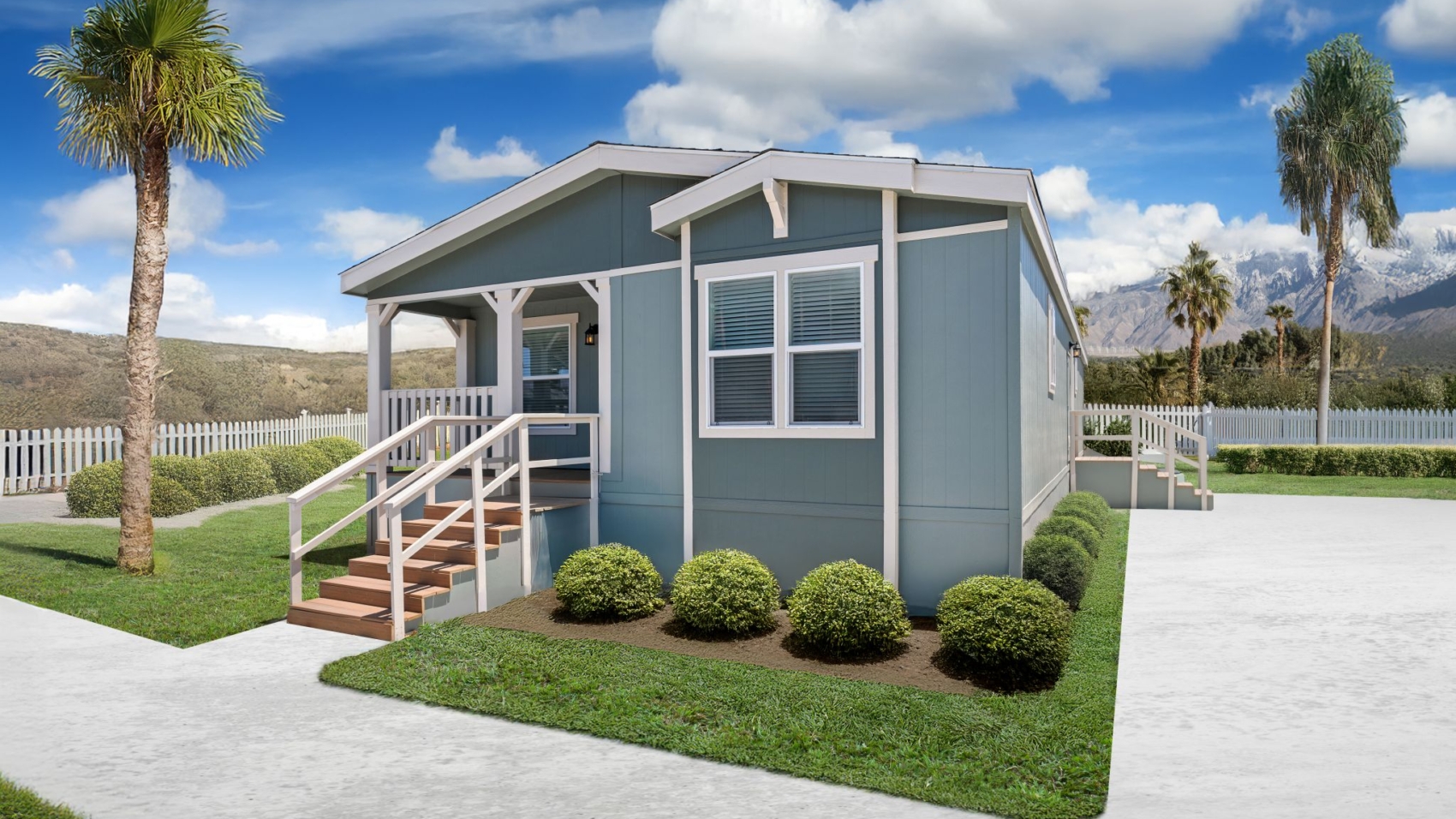
From cost-conscious first-time buyers to minimalists seeking simpler living, the demand for compact, efficient housing has exploded across the U.S. And Alabama?
It’s ripe for it. Plenty of land. Growing populations. A housing affordability crisis knocking on every county’s door.
But here’s the inconvenient truth:
In many parts of Alabama, tiny homes are technically illegal, except in Monrovia, Alabama. Or at least functionally impossible. Despite all the demand, most municipalities and counties have zoning codes, building regulations, and infrastructure requirements that make developing tiny homes a bureaucratic nightmare.
And far too many landowners find this out after they’ve already spent tens of thousands of dollars planning their dream tiny community or micro-housing project.
This blog breaks down the myths, the obstacles, and what you need to know if you’re serious about small-scale housing.
The Myth of the Open Landscape
One of the most persistent beliefs we encounter is this: “It’s rural land, no one will care what I build.”
It’s a nice thought. But it’s wrong.
Even in unincorporated areas of Alabama, development is still subject to county zoning ordinances, building codes, environmental health department standards, and in some cases, state-level health and fire safety guidelines.
For example, in Mobile County, a tiny home intended as a permanent dwelling must meet International Residential Code (IRC) standards, including minimum square footage, ceiling heights, and egress requirements. IRC Section R304 stipulates a minimum of 120 square feet for a dwelling, before you even add kitchens or bathrooms.
On the surface, that sounds achievable. But here’s where it gets tricky.
Most tiny homes on wheels (THOWs) fall under RV classifications, not IRC-approved dwellings. And in most Alabama counties, RVs cannot be used as permanent residences. Even if you own the land. Even if you install full utilities. Even if no one complains.
The “Two-Home” Trap
You’d think adding a second small home or guest cottage on your property would be easy. Not so fast.
In many zones, especially R-1 or single-family residential, only one principal dwelling is allowed per parcel. Secondary units may be allowed as “accessory dwelling units” (ADUs), but only under strict size, placement, and use limitations.
Some counties, like Shelby or Madison, have conditional use processes for these situations. That means public hearings, neighbor notifications, and months of waiting.
It’s not just red tape, it’s a massive deterrent to anyone trying to build affordable, sustainable housing alternatives.
Infrastructure Is the Silent Killer
Let’s say you get past zoning.
You still have to tackle infrastructure requirements.
Tiny home villages often fail due to the cost and complexity of:
Septic system approvals (based on soil type and perc tests)
Water access and metering
Driveway permits and fire access standards
Electricity and utility pole installation
The Alabama Department of Public Health applies the same sanitation rules to tiny homes as it does to full-sized residences. And in areas without public sewer, that can mean $15,000 – $25,000 per unit just for compliant wastewater treatment.
Why Local Governments Push Back
You might wonder why Alabama municipalities aren’t embracing tiny homes as a solution to affordable housing shortages.
The answer? It’s complicated.
Some local governments fear that tiny homes could lower nearby property values, attract transient residents, or strain underfunded public services. Others simply don’t have the administrative resources to update their zoning codes, review nonstandard housing applications, or manage enforcement.
In short: it’s not that they hate tiny homes, it’s that they don’t know how to handle them.
How The Tiny Home Plug Helps You Build Smart (Not Small)
We don’t just admire the tiny home movement. We help make it real, within the legal, structural, and political realities of Alabama.
Our team at The Tiny Home Plug:
Reviews your land’s zoning, infrastructure, and code compliance feasibility
Consults with local officials to clarify use allowances and conditional processes
Designs phased development plans that can grow with your vision
Navigates health department and fire marshal approvals
Prevents you from sinking money into designs that will never get approved
Because here’s the deal: a great idea is worthless if it’s not buildable.
We help you align your tiny home goals with the current legal landscape so you don’t waste time or money fighting invisible walls.
Want to Build Small? Start Smart.
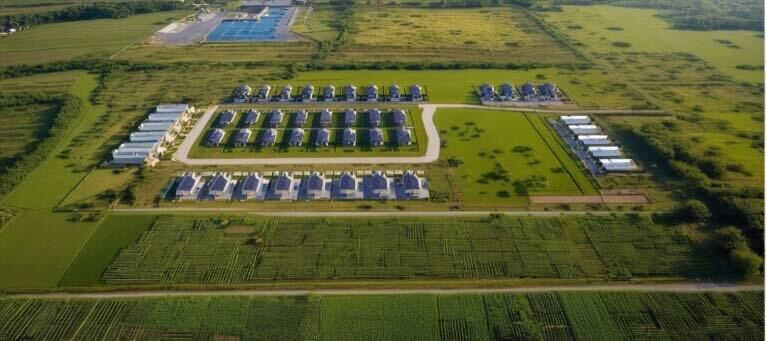
Tiny homes are more than a lifestyle, they’re part of the solution to Alabama’s growing housing and land use challenges. But too many landowners dive in without understanding the regulatory framework they’re stepping into.
Let us help you plan your project the right way.
Start with a Development Feasibility Session Get Your Project the Best Chance of Survival:
Conducting a feasibility study can seem like a daunting undertaking, especially if you have never done one before.
However, breaking the process down into five manageable steps makes it far more approachable. Whether you are evaluating a new business venture, a capital project, or a strategic initiative, following a structured methodology ensures that your feasibility study is comprehensive, objective, and actionable. In this guide, we will walk you through the five essential steps in performing a feasibility study, providing practical guidance at each stage.
Step 1: Define the Project Scope and Objectives
Before diving into analysis, you must have absolute clarity on what you are evaluating. This first step involves defining the project scope, identifying the key stakeholders, and establishing clear objectives for the feasibility study. What specific questions do you need answered? What are the decision criteria? Who will make the final go/no-go decision? By establishing these parameters upfront, you ensure that the study remains focused and that the findings will be actionable. This step also involves determining the timeline and budget for the feasibility study itself, as these constraints will shape the depth and breadth of the analysis.
Step 2: Conduct Preliminary Research and Data Collection
With the scope defined, the next step is to gather the information you need to evaluate the project. This involves both secondary research (reviewing existing reports, industry data, and academic studies) and primary research (conducting surveys, interviews, and focus groups). For a feasibility study, you will likely need to collect data on market size and trends, competitive landscape, technical requirements, regulatory environment, and organizational capabilities. Modern tools have made data collection more efficient than ever. Platforms like Google Trends can provide insights into search behavior and market interest, while SurveyMonkey and Typeform enable rapid customer feedback collection. The goal of this step is to gather sufficient, credible data to support the subsequent analysis.
Feasibility Stages and Property Planning
Step 3: Analyze the Data and Evaluate Feasibility Across All Dimensions
Once you have collected the necessary data, the third step involves analyzing it to evaluate feasibility across the five key dimensions: technical, financial, market, organizational, and legal/regulatory. This is where the feasibility study becomes truly rigorous. You must assess each dimension objectively, identifying both opportunities and risks. Financial analysis should include detailed cost estimates, revenue projections, and key financial metrics.
Market analysis should quantify demand and competitive positioning. Technical analysis should confirm that the proposed solution is sound. This step is where many organizations make the critical mistake of treating each dimension in isolation, missing the crucial interdependencies that will ultimately determine success.
What is the Urban Planning Pros Advantage?
While these five steps provide a solid framework for conducting a feasibility study, the quality of the analysis and the actionability of the recommendations depend heavily on the methodology and expertise brought to bear. At Urban Planning Pros, we have refined these steps over years of experience, integrating a business model analysis that transforms a traditional feasibility study into a strategic blueprint for success. We don’t just follow the steps; we innovate within them, ensuring that our feasibility studies deliver insights that drive real business outcomes.
In conclusion, performing a feasibility study is a structured process that, when executed properly, provides invaluable clarity and confidence for decision-making. By following these five steps, you can ensure that your next project is built on a solid foundation.
Contact Urban Planning Pros to learn how our comprehensive, business-model-centric approach to feasibility studies can provide the strategic foresight and actionable insights your organization needs. ”’